
By Yohanna Yusrinal
This World Tourism Day we sit down with Small Towns Malaysia (@smalltownsmy), now a social media household name, to understand what drives them in their mission to document every single small town in Malaysia, and the impact that small town tourism can have.
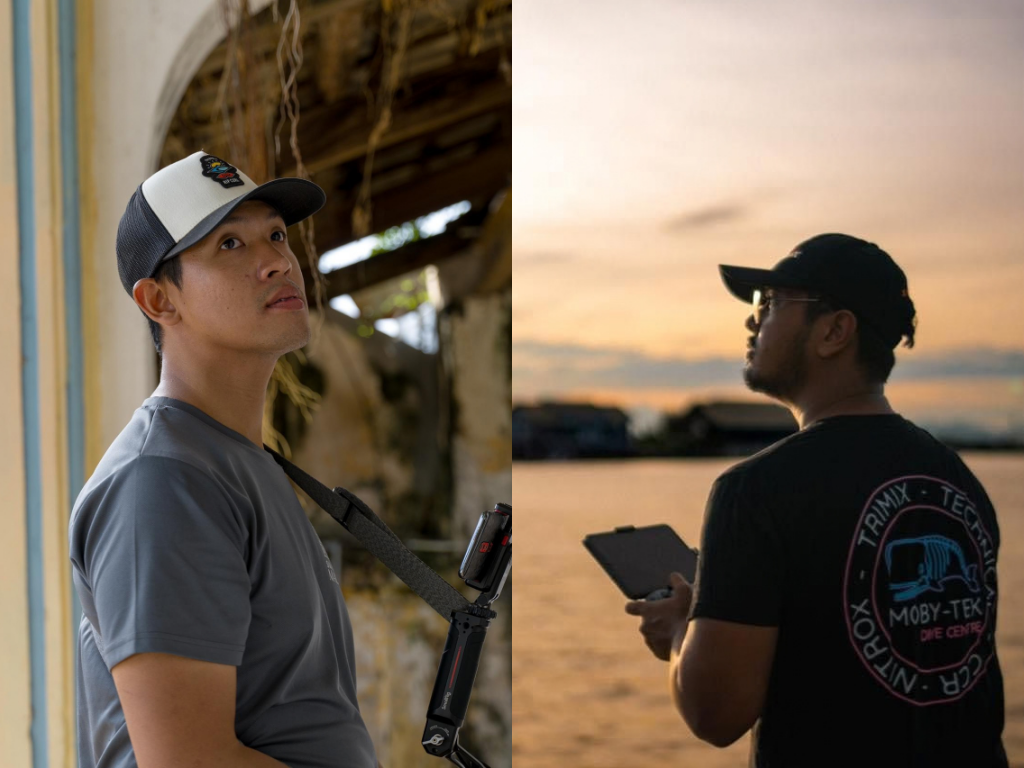
Jonathan Dexter (left) explores the towns on foot while Ash Raja (right) flies a drone for the signature opening shots of each Small Towns Malaysia video. Photos by Small Towns Malaysia
Jon and Ash, the founders of Small Towns Malaysia, started out as wedding photographers, later expanding into corporate events and marketing materials. But the work took its toll. The relentless pace of the wedding season left little room for creative exploration, and the artistic itch that had drawn them to photography in the first place was buried under the weight of client deadlines and diminished creative freedoms.
Craving change and a taste of adventure, the pair pivoted toward hotel events and conferences, hoping to travel more. It was a small shift, but one that would eventually open the door to something bigger.
A Lockdown That Changed Everything
The real turning point came in March 2020. The duo were on a photography assignment on Pulau Tioman when Malaysia announced its first Movement Control Order (MCO). A short work trip turned into a three-month stay, stranded on the island as the world outside came to a standstill.
“We swam every day, and every two weeks we would wait to see if the lockdown was lifted. We started putting one ringgit bets on whether the lockdown would be lifted or not,” Jon recalls.
The isolation had real consequences. Tioman, not being self-sufficient, began running low on supplies as cargo shipments stopped arriving. “Everything had been bought up from the shelves, and the island is not self-sustaining. We noticed no new cargo coming and our supplies were quickly declining. Luckily, the locals took care of us and taught us how to live on the island,” Ash remembers.
It was the island’s community that carried them through. Teaching them new skills, welcoming them into their homes, and sharing what they could. As the tourism industry buckled under the pandemic and remained fragile even years after restrictions were lifted, Jon and Ash watched friends and collaborators in the industry struggle to stay afloat. That experience of resilience and hospitality planted a seed that would later grow into their life’s work.
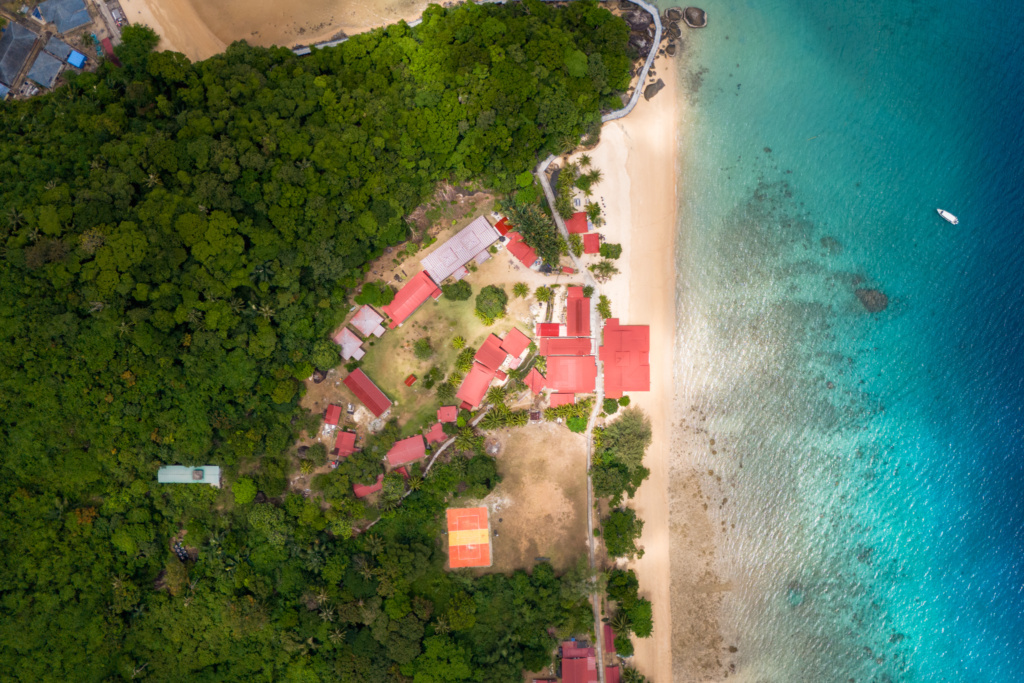
ABC village on Pulau Tioman from the sky. Photo by Small Towns Malaysia.
The Video That Started It All
Not long after, Ash returned to his hometown, Batang Berjuntai. Proud of where he’d grown up, he decided to make a short video celebrating the town, not for clients, not for profit, just to capture and document it as it is, a place of meaning for its people.
The short clip performed so well that soon after, they were flooded with requests from across the country asking them to do the same for their own hometowns. “Initially, we didn’t see any monetary value in the project, but it was something we could use to flex our own creative muscles and bolster our portfolio, and now it has taken over our lives,” they reflect.
What began as a passion project has since become a mission: to visit and document every small town in Malaysia. To date, they’ve covered over 160 towns and have no plans on slowing down.
Learning to Experience a Place, Not Just Visit It
Along the way, Jon and Ash have developed a distinct philosophy about what it means to truly experience a town. It isn’t about ticking off landmarks or chasing the perfect photo. It’s about slowing down enough to let a place reveal itself.
“Take a stroll and walk around the streets, take notice of who is talking to who, what kind of shops are there,” Jon adds. The everyday scenes of two aunties sharing an umbrella in the rain, uncles gathering for kopi at the local kopitiam, someone sulking because his friends left him out of their morning meetup; these are the details that don’t show up in glossy travel brochures, but which reveal a town’s true character.
One place that left a lasting impression was Negeri Sembilan, which they describe as among the most muhibbah (harmonious, multiracial) places in the country. In Kuala Pilah specifically, they observed people of all races working side by side, seemingly free of the racial tensions that can simmer elsewhere.
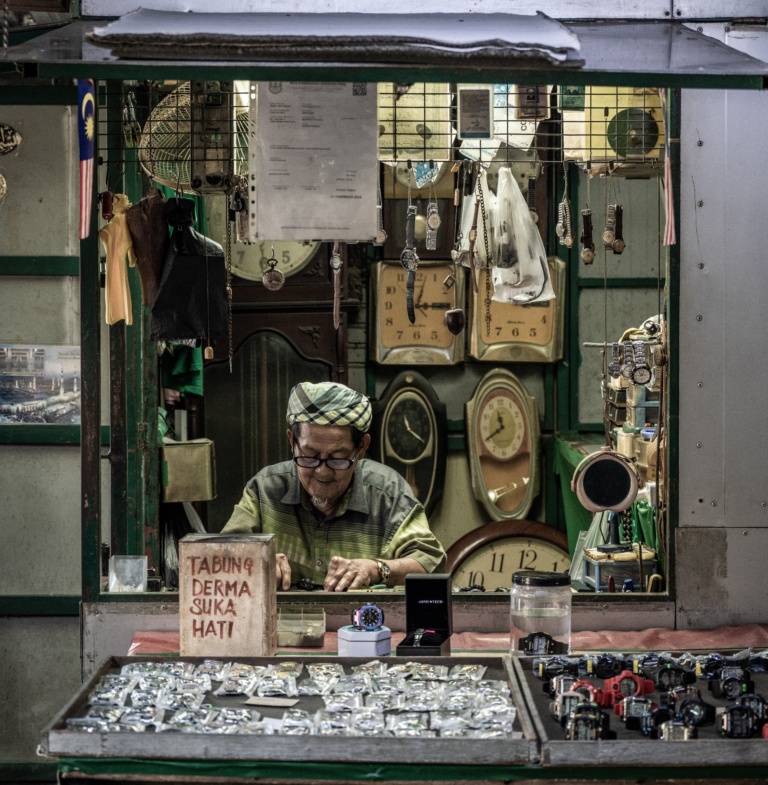
A watchmaker practicing his craft in a small town market. Photo by Small Towns Malaysia
Documentation as Preservation
The small town videos are a form of preservation. “They are a time capsule,” they explain, noting that especially in the post-Covid era, change is happening so quickly that some of these towns and their ways of life might vanish from memory within a generation, and nobody will have documented it.
There’s also a deeper cultural mission at play: encouraging Malaysians to take pride in their own country rather than looking abroad for charm and authenticity. “Instead of travelling to small towns in Japan or Australia, we should recognise that Malaysia has a lot to offer,” Ash points out. Unlike their earlier work in mainstream tourism, which was geared toward attracting foreign visitors, Small Towns Malaysia isn’t chasing tourist dollars. Any tourism boost is, in their words, “happy collateral.”
The real objective is emotional and cultural, sparking nostalgia, pride, and connection. That’s why comments matter so much to them: Jon loves when viewers share historical tidbits or hidden gems, while Ash treasures the personal memories people share. “You can feel that love for the town through the stories and memories that people share. And that has been the benefit of short form videos, we can reach people easier than through a documentary” says Ash.
One standout success story is Papan, Perak, where their video sparked a noticeable increase in visitors and even prompted a university to hold an exhibition exploring how the town’s tourism potential could be further developed.
What Comes Next
While these videos are powerful for reach, they disappear too quickly from social feeds to be useful for someone planning a visit. This prompted Jon and Ash to put their years of documentation on a website. This online repository would compile information on activities, accommodations, and a visitor “photo book” for each town, like a Facebook page dedicated to small towns. It’s a response to a real gap they’ve identified: existing resources like Google Maps or old blog posts fail to capture the feeling of a place.
Part of their goal is also to ease the pressure on over-touristed hotspots by redirecting attention and travelers toward lesser-known corners of the country, giving small-town communities a chance to be seen and appreciated for their charm and hospitality.
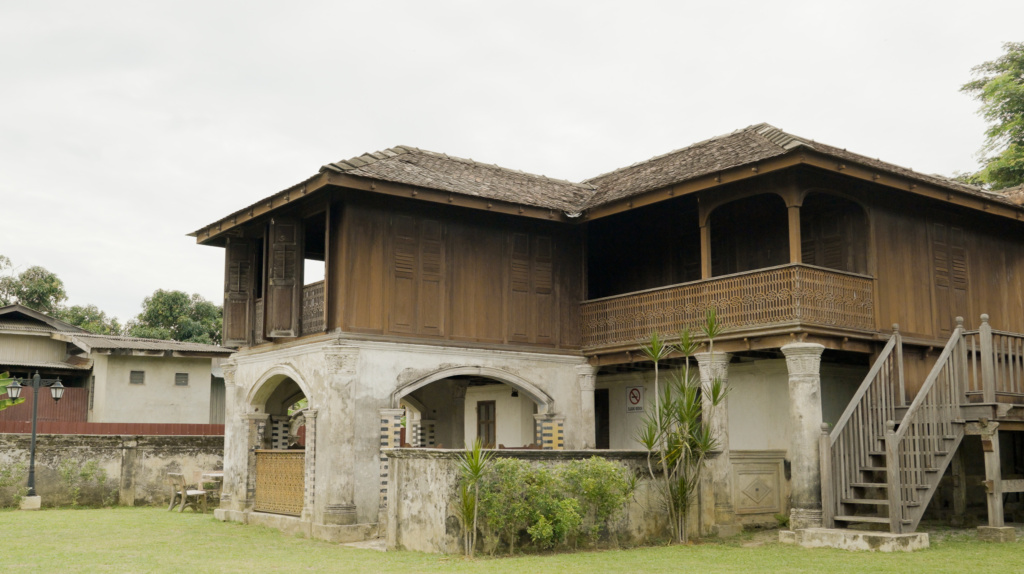
Standing tall after all these years, these old buildings serve as a time capsule, connecting us to the shared heritage and culture of the communities before us. Photo by Small Towns Malaysia.
Advice for the Curious Traveler
Drawing from their years of fieldwork, Jon and Ash offer these tips for anyone wanting to explore Malaysia’s small towns meaningfully:
1. Walk the local markets. This is where you get a genuine feel for a town — what people eat, how they interact, and the daily rhythms of local life.
2. Talk to the locals. Remain curious and open to conversation defensiveness, even when questions get personal.
3. Try the “weird food”. Some of the best meals come from unexpected places. In Machang, Kelantan, they discovered colek perut (beef intestine noodle soup) — an unassuming dish that turned out to be a highlight.
4. Embrace the small-town pace. The people in these communities have it figured out. They are not chasing the rat race, they understand that life is about simplicity, savouring your time and health.
5. Choose homestays over hotels. Stay with locals and eat at roadside warungs instead of fast food chains. Trade room service for real connection with the people who can tell you all about the town.
Above all, their advice for travelers boils down to one guiding principle: “Support local, that has been our mantra for the past 4 years.” They also candidly speak about managing expectations. This style of travel isn’t flashy or fast-paced, and it isn’t for everyone. But for those willing to slow down, it offers something increasingly rare: an unfiltered, human connection to place.
For More on Small Towns Malaysia, visit their website: https://smalltowns.my/
Instagram: https://www.instagram.com/smalltownsmy/