
By Mohd Nur Aiman and Izzat Hakimi
Sustainable tourism plays a pivotal role in balancing economic development and environmental conservation, particularly in marine ecosystems. For over a decade, Tengah Island Conservation (TIC) has honed this balance in the Mersing Islands of Johor. The authors, who are TIC conservation officers, describe how their programmes advance the understanding of marine conservation issues in the region.
Tengah Island Conservation had humble beginnings. What started as Turtle Watch Camp, a sustainability effort started by Batu Batu Resort on Tengah Island in 2015, evolved into a full-fledged independent NGO in 2019. Since then, TIC has been at the forefront of marine conservation in the Johor Marine Park, integrating science-based conservation practices with sustainable tourism initiatives, where threatened species and local communities can thrive side by side.
Operating from three main locations—the Tunku Abdul Jalil Conservation Centre (TAJCC) on Tengah Island, Rumah Eko on Besar Island, and the TIC Hub in Mersing—TIC supports conservation research, implement habitat restoration programmes, and address island waste management issues. These efforts are carried out in collaboration with the local community. TIC’s initiatives also align with broader regional goals for sustainable development and biodiversity preservation, thus strategic partners include the local Mersing District Council and District Office, Fisheries Office, District Education Office, and the Johor State government.
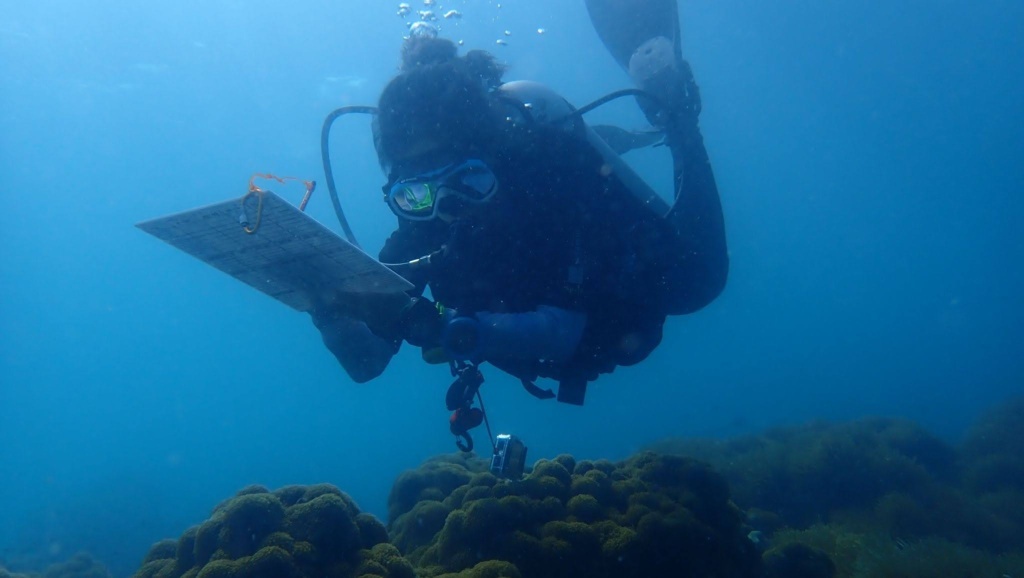
A diver conducting coral reef survey using the Reef Check Method.
One of TIC’s primary objectives is integrating habitat and species protection to ensure long-term sustainability of marine biodiversity. This approach recognises the intricate connections between healthy ecosystems—coral reefs, seagrass meadows, and mangroves, and the species that depend on them. By protecting these habitats and their inhabitants, TIC not only safeguards marine ecosystems but also fosters ecological resilience, climate adaptation initiatives, and supports local livelihoods. However, these efforts are not without challenges, as TIC navigates threats like habitat degradation, poaching, climate change, and unregulated tourism.
Coral Reef Monitoring and Rehabilitation
Coral reefs are vital marine ecosystems that provide shelter and food for diverse marine species while supporting coastal protection and fisheries. As of 2024, TIC has conducted extensive reef surveys across 64 sites around seven islands in the Besar Islands cluster. The survey revealed a coral reef health status of 52.57%, categorized as “Good” and surpassed Malaysia’s national average of 45.87% recorded in 2023. The survey uses Point Intercept Transect, a commonly used and efficient method to estimate the status of the reef by assessing substrate composition, coral cover, key fish species, invertebrates, and environmental impacts. The data collected informs conservation strategies and highlights areas requiring immediate attention.
Rehabilitation is a cornerstone of TIC’s coral reef conservation efforts. Three rehabilitation sites have been established on Pulau Tengah, focusing on the Junior Reef and Northern Reef. Using artificial structures like metal frames, PVC pipes, and cement blocks, TIC transplanted over 500 coral nubbins comprising both fast- and slow-growing species. These have yielded thriving patches of restored coral, demonstrating the potential for human intervention to reverse damage and support ecosystem recovery.
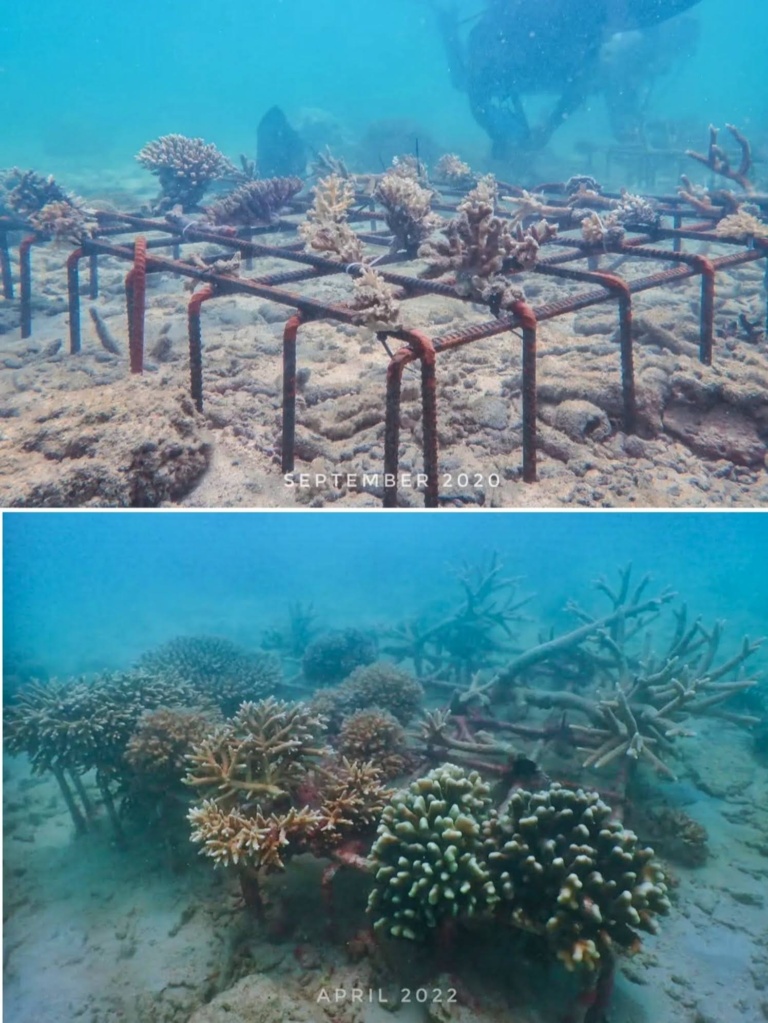
Comparison showing coral thriving on metal frames deployed in the Northern Reef, Pulau Tengah.
Seagrass Monitoring
Seagrass meadows, often overshadowed by coral reefs in marine conservation discussions, are critical habitats that sustain marine species such as dugongs, green turtles, and various fish species. Seagrass communities play a vital role in improving water quality, stabilising shorelines and in carbon sequestration. Despite their importance, data on the status of seagrass beds in Malaysia remains limited.
To address this gap TIC adopted the Seagrass Watch method, conducting surveys during post-monsoon, inter-monsoon, and pre-monsoon seasons to understand patterns in seagrass coverage and condition. Observations suggest that over time, the seagrass meadows experience sediment shifts—movements of sediment particles that can affect the health of the seagrass beds by altering light and nutrient availability. This happens especially during monsoons, when seagrass beds are temporarily buried under thick sediment. However, this does not indicate permanent loss. TIC’s multi-phase surveys aims to establish a comprehensive understanding of seagrass dynamics in the Besar Islands cluster, enabling targeted conservation actions.
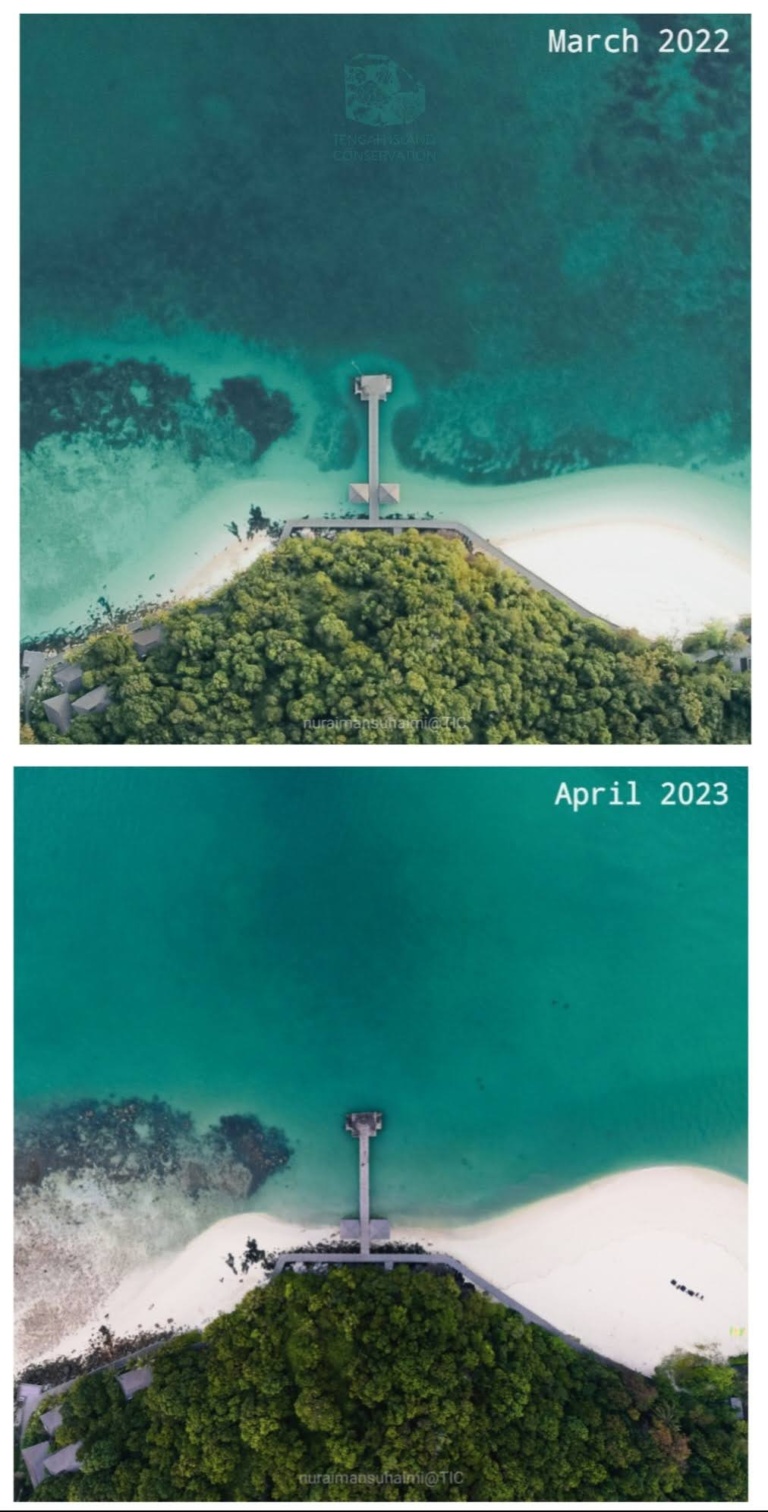
Changes in seagrass coverage in front of Long Beach, Pulau Tengah, after shifting sands buried them under thick sediment.
Sea Turtle Conservation and Hatchery Management
Sea turtles, iconic symbols of marine conservation, face numerous threats from poaching and natural predation to the impacts of climate change. For over a decade, TIC has been dedicated to protecting sea turtles in the Besar Islands. Daily boat patrols across six islands–- Pulau Besar, Pulau Tengah, Pulau Hujong, Pulau Harimau, Pulau Mensirip and Pulau Gual, help monitor nesting activities, deter poaching, and safeguard eggs. Pulau Tengah and Pulau Mensirip have emerged as the most significant nesting sites for the endangered Green Turtle (Chelonia mydas) and critically endangered Hawksbill Turtle (Eretmochelys imbricata).
When nests are identified during patrols, the eggs are relocated to TIC’s hatchery on Pulau Tengah to be incubated under controlled conditions, which significantly improves hatching success rates. Since 2015, TIC has released over 30,102 hatchlings, maintaining an average hatching success rate of 73%, with the highest success rates of 94% and 91% in 2020 and 2023 respectively; underscoring the effectiveness of the hatchery programme.
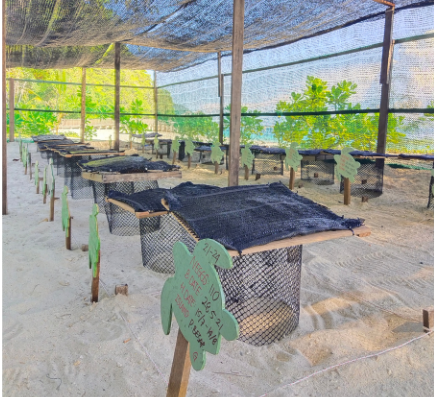
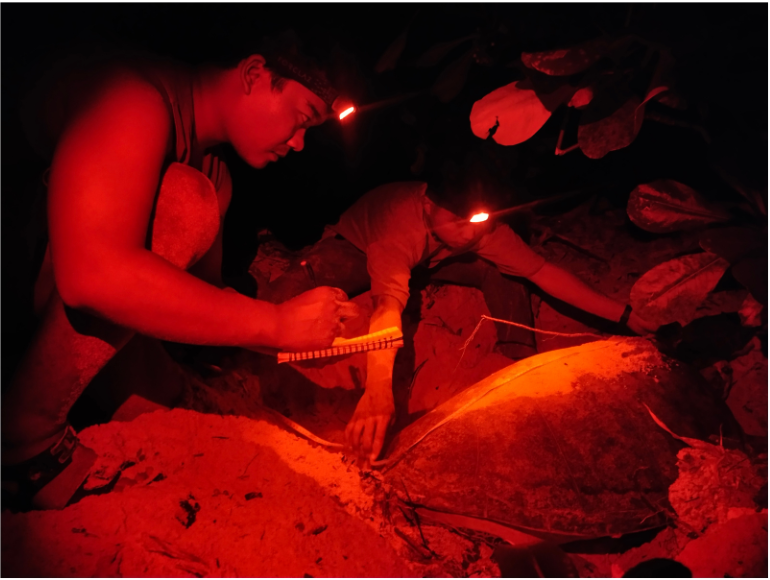
Left: Sea turtle hatchery in Tunku Abdul Jalil Conservation Center in Pulau Tengah.
Right: Conservation officers Aiman (left) and Izzat (right) recording biometric data of nesting female sea turtle.
Challenges persist, such as natural predation by monitor lizards, and rising sand temperatures due to climate change that skew hatchling gender ratios. These factors threaten the long-term survival of turtle populations. In response, TIC conducts public awareness campaigns and engages the local community through workshops and educational programmes. Collaborative initiatives with the Department of Fisheries Johor equip local egg collectors with licenses and tools to promote sustainable practices. School programmes like PEDAS (Pasukan Pendidik Ekologi dan Alam Sekitar) further foster awareness among younger generations, cultivating a conservation ethic.
Conservation x Sustainable Tourism
Tengah Island Conservation exemplifies how integrating marine conservation with sustainable tourism initiatives can yield significant ecological and social benefits. By protecting habitats, restoring ecosystems, and engaging local communities, TIC promotes the resilience of marine biodiversity and supports sustainable livelihoods. Despite the challenges posed by environmental degradation and human activity, TIC’s innovative strategies and collaborative efforts serve as a model for balancing conservation and development in marine ecosystems. Sustainable tourism, when aligned with robust conservation practices, holds the potential to preserve the natural beauty and biodiversity of regions like the Besar Islands for generations to come.
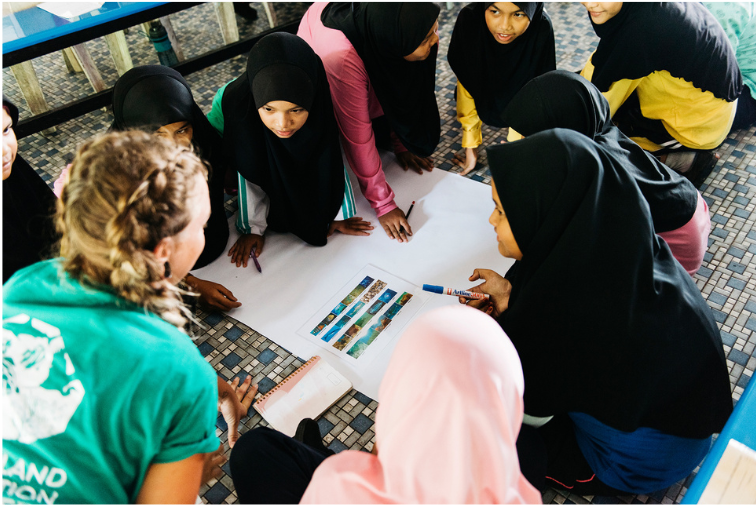
Left: A TIC volunteer engaging with pupils in the PEDAS programme in Mersing.
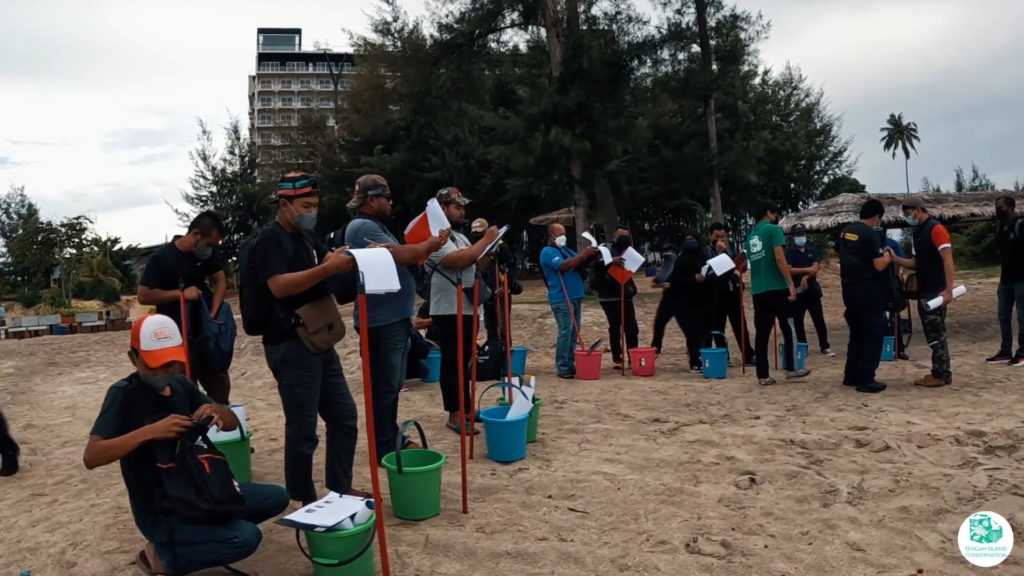
Right: Sea Turtle Workshop participants during the practical training of identifying sea turtle tracks and eggs in Pengerang, Johor.
For more information:
Discover Tengah Island Conservation’s Sustainable Tourism package di sini.
About the authors
Mohd Nur Aiman Suhaimi and Izzat Hakimi A’rizu are both Conservation Officers at Tengah Island Conservation, where they manage programmes on habitat and species monitoring and protection. They hold degrees in Marine Biology (Hons) from Universiti Malaysia Terengganu (UMT) and are certified Divemasters. Driven by a deep passion for the marine ecosystem and a love for diving, their work reflects a commitment to preserving biodiversity and fostering healthy ecosystems in marine and terrestrial habitats, especially in the Johor Marine Park, Johor.