
By Ansell Tan
Drawing inspiration from a memorable slow travel experience in Japan, our writer describes how investing in decentralised tourism spreads the flow of tourism benefits to a much wider area. By connecting rural to urban areas with sustainable public transport, and promoting local art, culture and heritage, he envisions the revival of the old heritage towns of the Kinta Valley.
It is the weekend, and I am looking hesitantly at one of the incredibly crowded back lanes in Ipoh Old Town. We just spent half an hour searching for parking and finally found one a long walk away—there is a reason locals refrain from coming here altogether.
I decide to skip the back lanes, and take my visitors elsewhere. To be fair, it is not as crowded during weekdays. And at night, parking is easier and walking is a lot more enjoyable. But why is the majority of tourists thrust into a centralised area when the region has so much more to offer?
Boom, bust and boom
Since the tourism boom in Ipoh in 2016, we have seen numerous businesses come and go. Friends have tried opening guesthouses or cafés, only to succumb to rising rentals and eventually having to let go of their heavy investments. It seems only landlords and big capital businesses have the means to survive when competition is concentrated in a relatively small place.
Is there an alternative to this model of centralised tourism? I would confidently say yes, and we were fortunate to have experienced it. Before my wife and I moved back to her hometown of Ipoh, we spent two weeks exploring a region in Japan known as the Seto Inland Sea. To claim that the journey was life-changing would not be an exaggeration. It remains one of our best memories, and I sincerely hope we would be able to offer a similarly unforgettable experience for visitors to Ipoh someday.
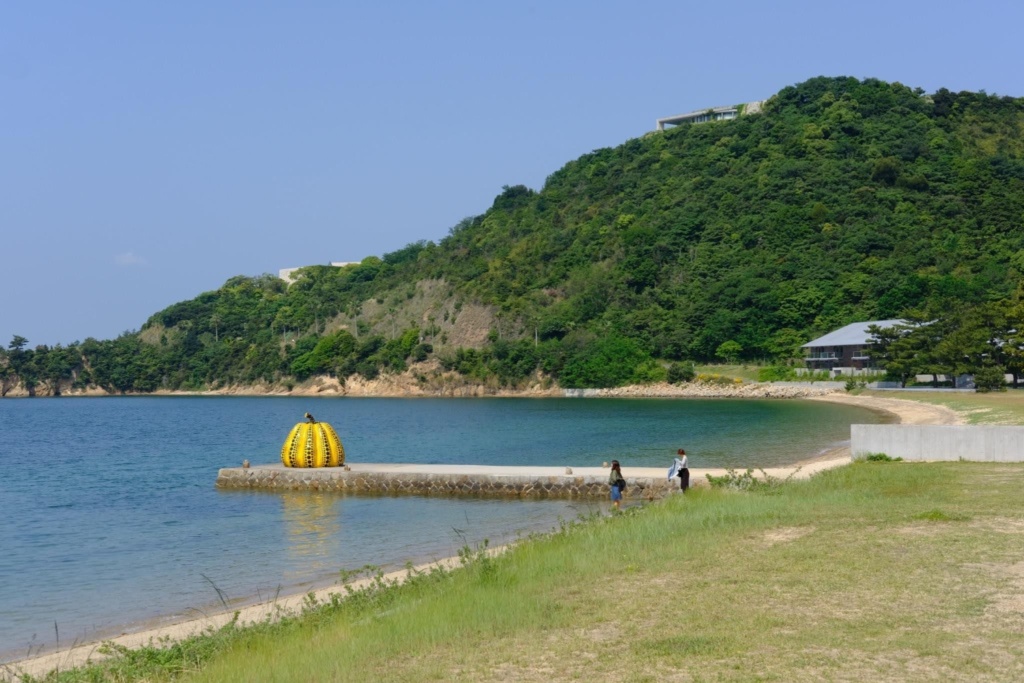
Naoshima’s iconic yellow polka dot pumpkin. Photo by Ansell Tan.
Seto Inland Sea was one of Japan’s first national parks and has always been known for its natural beauty. Historically, there were many copper mines, and the region’s economy prospered from the 1910s. But the trade-off was pollution. Large-scale refineries were built, and the neighbouring islands were decimated by industrial waste and acidic emissions. Once beautiful hills turned bare, and the region suffered from depopulation as young people, aspiring for a better quality of life, moved to the urban cities of Tokyo and Osaka.
Sound familiar? During the Second Industrial Revolution, Perak was one of the most prosperous regions in Malaya in the 1900s. When the Third Industrial Revolution began in the 1970s, it had been left behind. Ipoh was plagued with industrial waste, its natural environment left degraded, and the local economy largely irrelevant to the world.
Art and Architecture as the Answer
Coming back to the Seto Inland Sea, something remarkable happened that changed its narrative: an ongoing story where art, architecture, and sustainable tourism come together to revive the regional economy. It started with Soichiro Fukutake, a billionaire philanthropist who inherited a publishing company and renamed it Benesse, meaning “well-being” in Latin. Honouring his father’s dying wish that the children and elderly in Seto Inland Sea could enjoy a better life in harmony with nature, he embraced the mission and recruited a group of creatives.
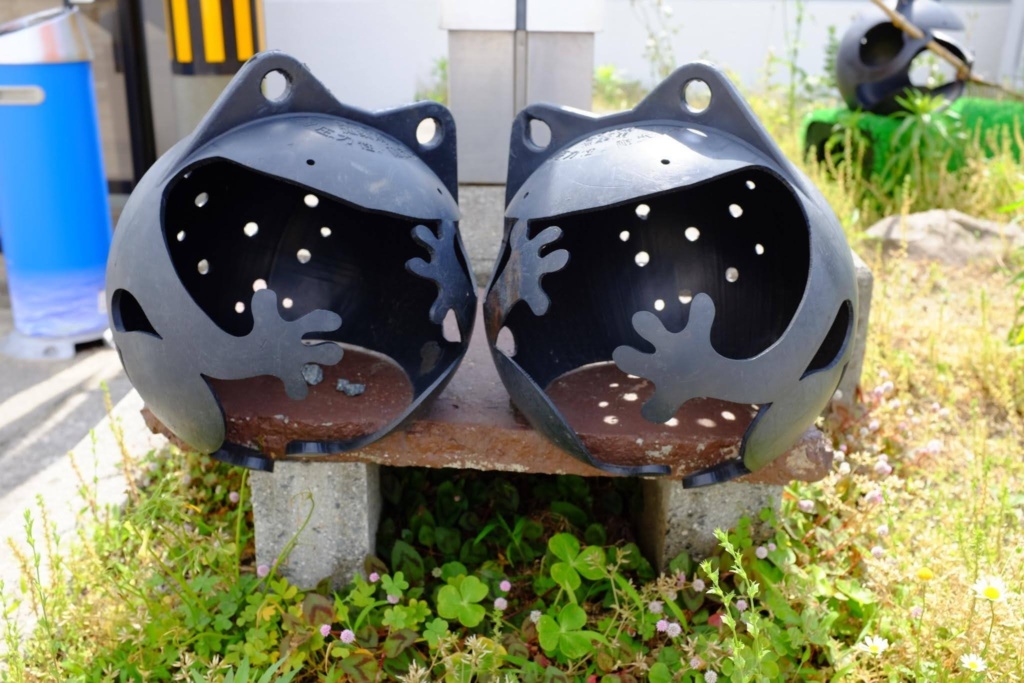
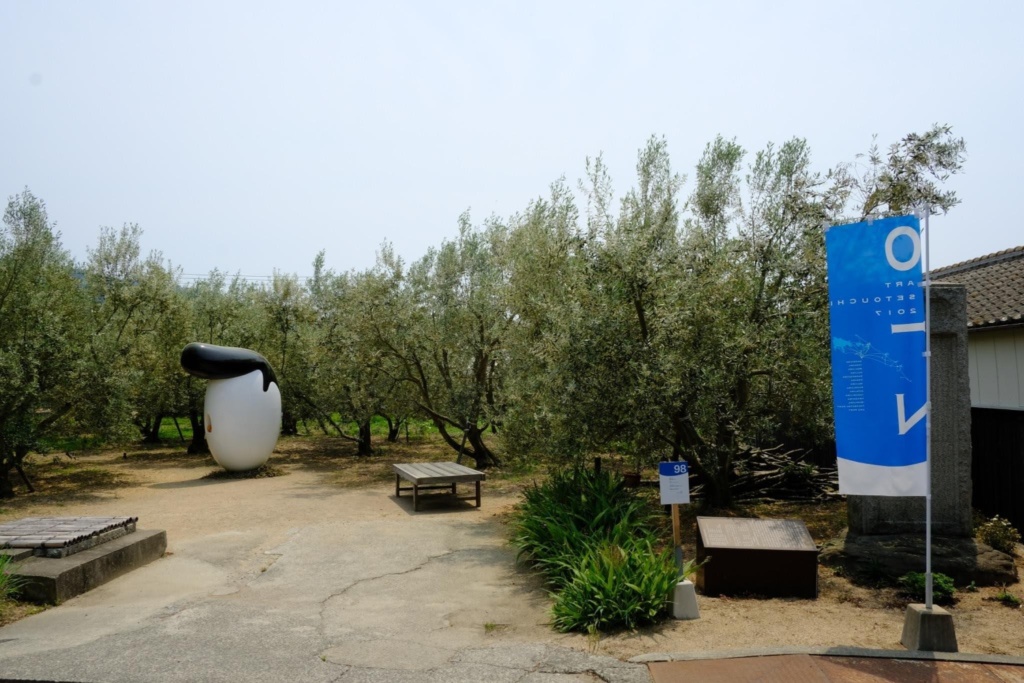
Art installations scattered across the islands. Photos by Ansell Tan.
Partnering with architect Tadao Ando, artist Yayoi Kusama, curator Fram Kitagawa, and many others, Benesse Corporation spent over three decades investing in community projects, art museums; and setting up a reliable transport infrastructure that enables tourists to experience slow travel by foot, bus, and ferries across the region. A major art festival, the Setouchi Triennale, was started and has been held since 2010, drawing over a million visitors to date.
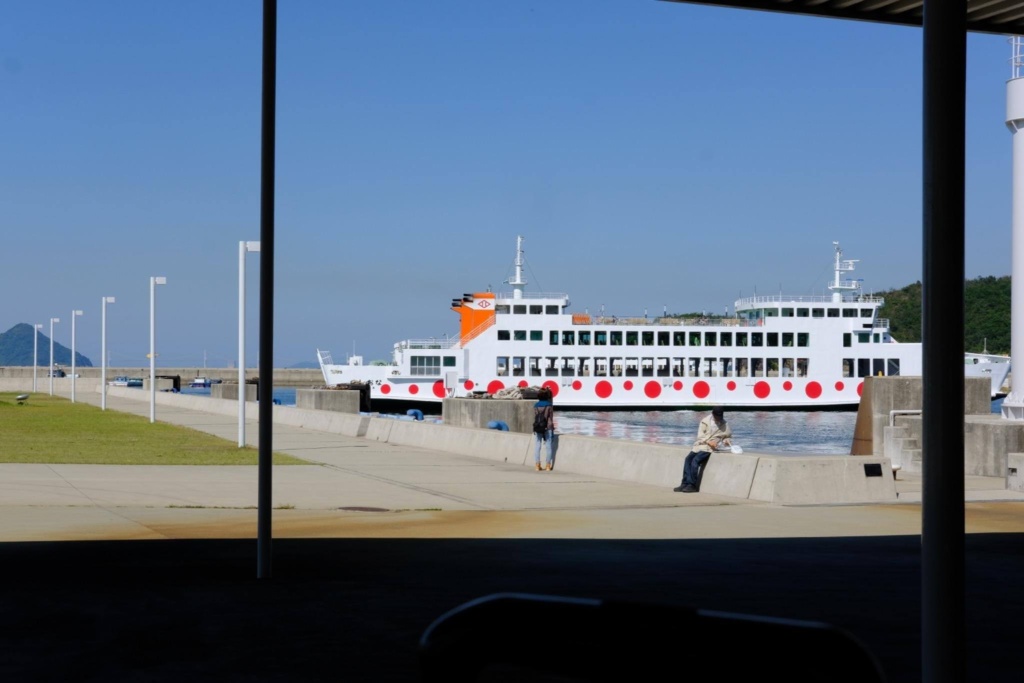
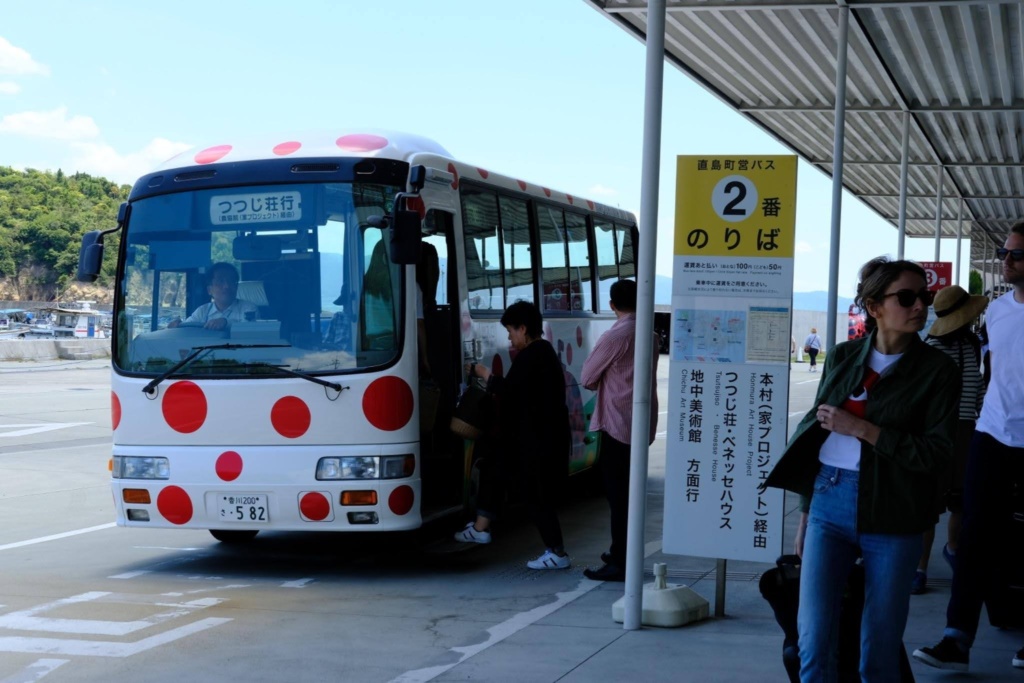
Public buses and ferries provide reliable transportation. Photos by Ansell Tan.
One million visitors may not sound impressive, but consider the total amount of time and money they spend in the region. Most visitors don’t come for a single destination. They travel leisurely across the 12 small islands to visit heritage sites and art installations strategically placed across the geographical landscape. We stayed in family-run traditional hostels, patronised small cafes and restaurants, and supported artisans selling locally crafted products not found anywhere else. It was truly a once-in-a-lifetime experience where we interacted with the locals, learned about the region’s history, and appreciated its natural surroundings. What left a lasting impression was the people—everyone from the children to the elderly—who seemed genuinely happy. Everyone had a role to play in this ecosystem of decentralised tourism, working as guides, artists, designers, hosts, chefs, and other fulfilling professions. They became stakeholders in the region’s success, and there was a deep sense of community.
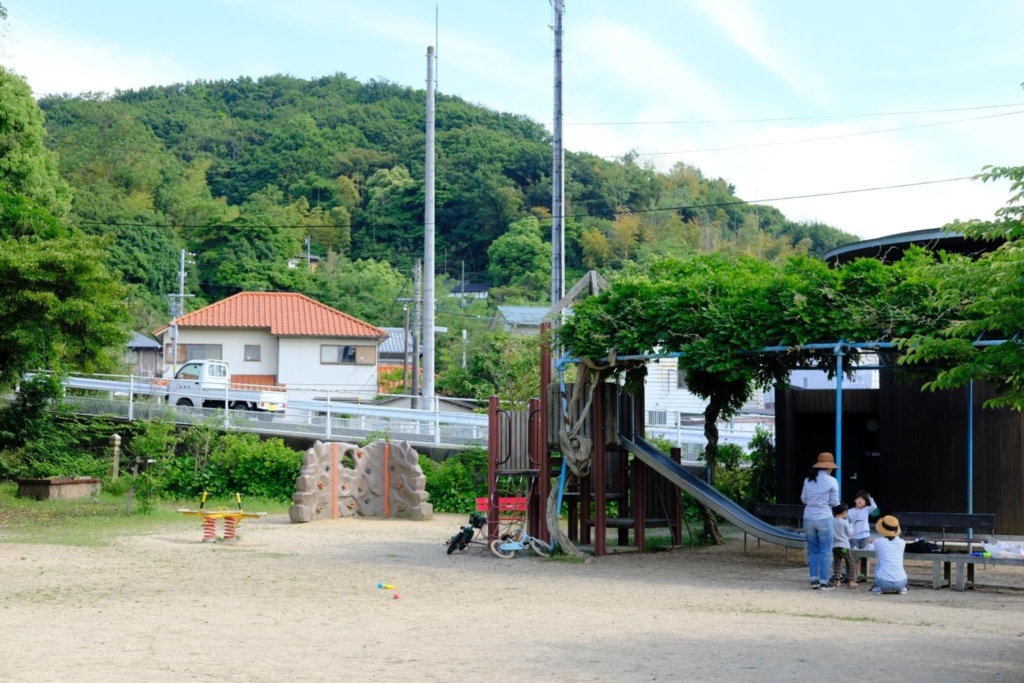
Tourism that doesn’t disrupt everyday living. Photo by Ansell Tan.
Today, the Seto Inland Sea is no longer known as a polluted, forsaken region. It is a world-class pilgrimage destination that caters to visitors, from backpacking students to helicopter chartering millionaires. A mecca for lovers of art and architecture.
What We Can Learn
Returning to Ipoh and the Kinta Valley, the parallels with what Seto Inland Sea faced during its most difficult years are hard to miss. While we have a different set of challenges, there are good ideas we can draw inspiration from.
One of the keywords is “decentralisation”. This may sound idealistic, but allow me to dream of punctual electric buses with well-maintained stations across the 16 heritage towns of the Kinta Valley and beyond. Heritage buildings refurbished into information centres plugged into a local ecosystem of family-operated homestays and cafes. Incubation programmes with housing support for creative industries so that young people may build sustainable careers and realise their aspirations of working near home. Boldly imagine art spaces sprouting within the decaying buildings of the larger tin-mining towns of Gopeng, Kampar, Batu Gajah, and Tronoh. And of course, the uniquely preserved heritage town of Papan.
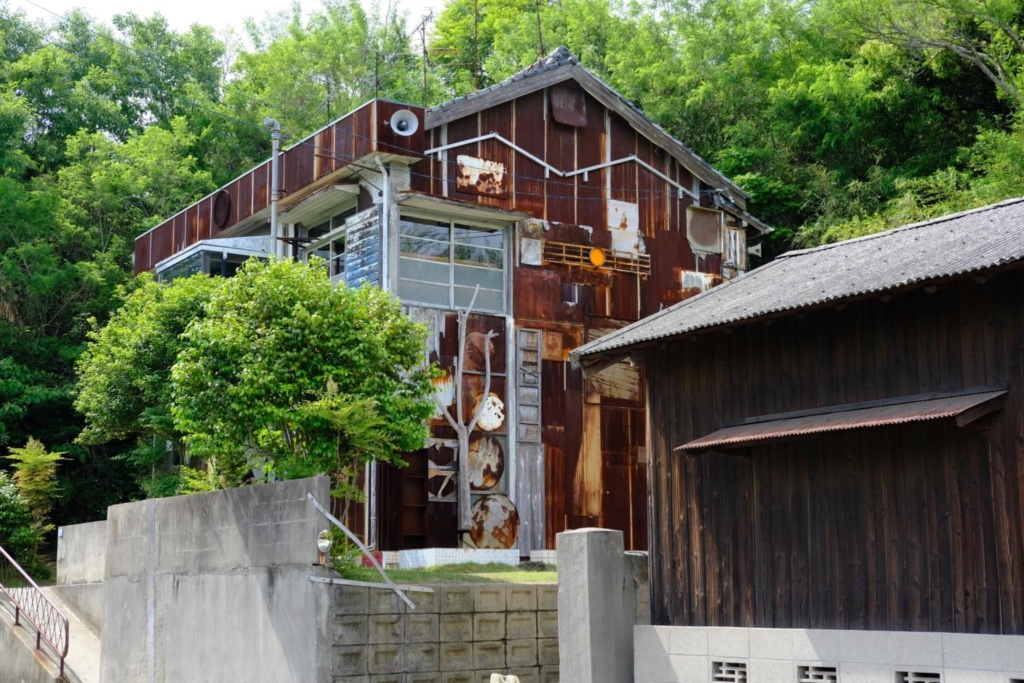
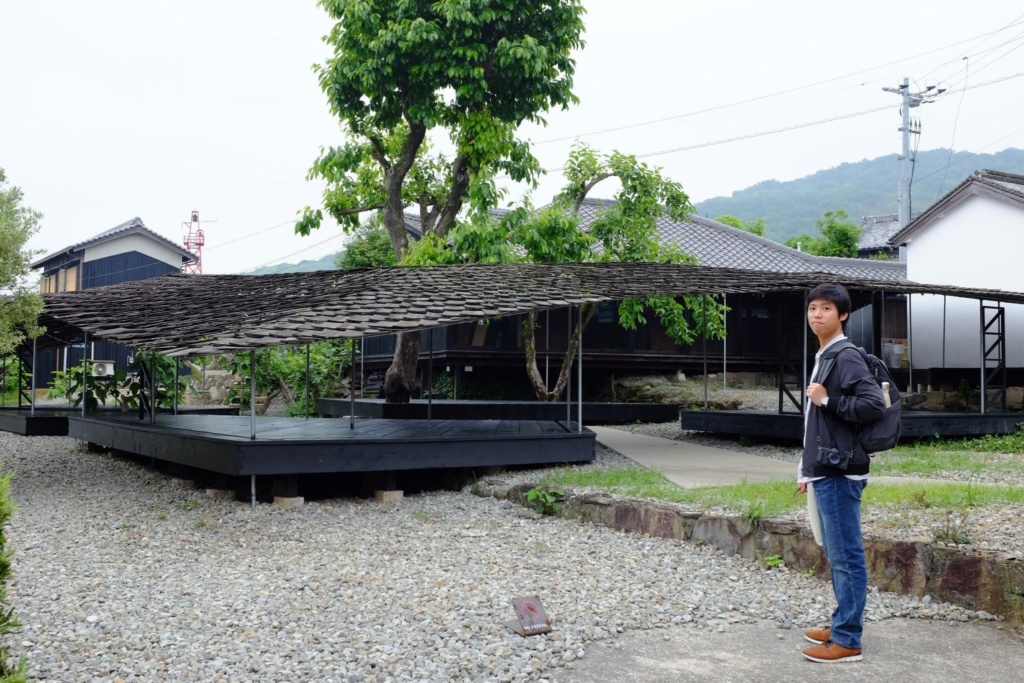
Old buildings turned into art spaces. Photos by Ansell Tan.
Tourism can do so much more than simply benefit big businesses. Sustainable tourism could also spread the flow of people, uplift entire communities, and create meaningful connections between rural and urban economies.
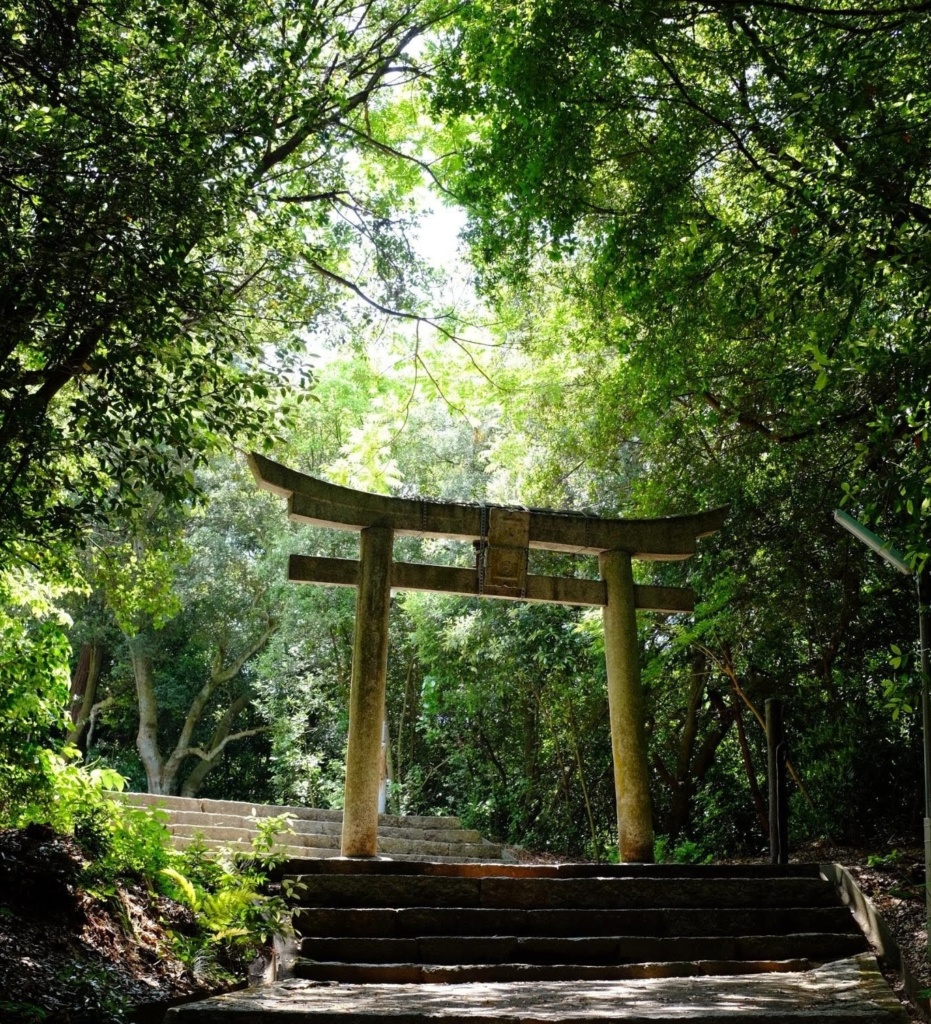
Heritage co-existing with nature. Photo by Ansell Tan.
Starting Somewhere
It took over 35 years for the Seto Inland Sea to reverse its fate. Realistically, we are still far away from reaching what they have accomplished. But everything starts somewhere, and I feel that a movement towards revival is already taking place.
Since the 2016 tourism boom, there has been a growth of interest in reconnecting with local heritage. Arts and culture groups are nurturing talents for storytelling and design, and we are seeing a reverse in the flow of people. More creatives are choosing to be based in Ipoh, and some businesses and artisans are offering products rooted in our local DNA.
That said, we simply cannot copy and paste success stories elsewhere. Our own set of challenges include hot tropical weather, lack of public transportation, and an inexperienced service industry, compared to our main Asian competitors.
There is no easy answer, and we will chart our own path towards sustainable tourism. But one thing for sure, a centralised tourism model is not the solution.
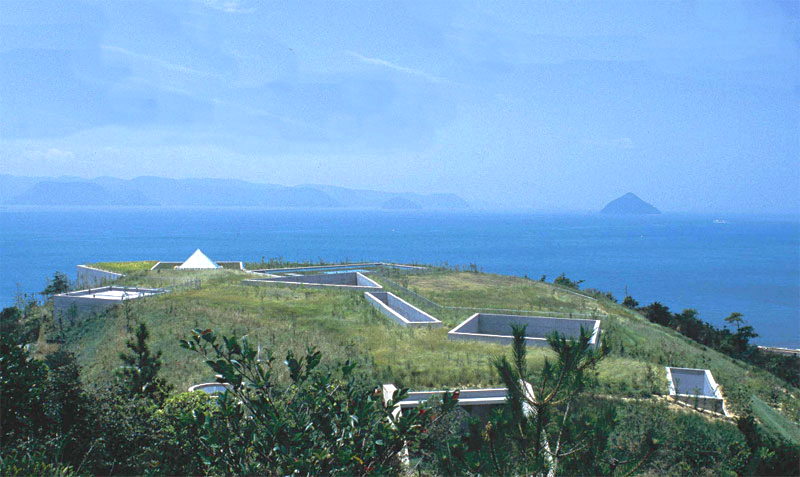
Chichu Art Museum, embedded within Naoshima Island’s landscape. Photo by Ansell Tan.
About the author:
Ansell Tan is a filmmaker and founder of Story Tinkers, a small documentary studio producing stories that spark conversations on sustainable development. Watch his documentary “The Forgotten Railway of Kinta Valley” here.