Learn Local: New Tours in Old Town

By Ansell Tan

From sleepy rows of decaying shophouses more than a decade ago to today’s congested streets thanks to thriving tourism operations, Ipoh Old Town has experienced a revival of sorts. What does sustainable tourism mean here? To find out, Ansell Tan joins a local walking tour by placemaker Chok Yen Hau that unearths Old Town’s complex history, cultures and heritage.

As a foreign spouse who made Ipoh my adopted home, I remember visiting Old Town in 2012. Not much was happening—the abandoned shophouses stood in quiet decay. But in 2016, things took a turn when Lonely Planet named Ipoh the sixth top destination in Asia. Surely, there is something about Ipoh the locals haven’t quite figured out.

Fast forward to 2024, and competition for parking space is rife. Some of the pre-war shophouses have taken on a new lease of life, and streets are brimming with tourists. But as of now, a disconnect remains. Tour buses concentrate tourists in a few congested back lanes, while locals avoid coming altogether. Most visitors stay for a day, missing out on notable heritage spots. Ask locals what Ipoh Old Town has to offer, and they may be hard-pressed for answers. Tourism is taking off, but something feels amiss.


Placemaking in sustainable tourism

Former journalist and author Chok Yen Hau, who has published six books on travelling across Malaysia’s 13 states before settling down in Ipoh, started asking himself: what is sustainable tourism?

Now a placemaker at P-Lab, Chok believes tourism needs to go beyond consumerism; creating meaningful bonds between visitors and local communities. And placemaking—the process of shaping public spaces to foster stronger connections between people and their shared environment—can be a tool to shape a more sustainable tourism at the local level. Reflecting this, he curated a multicultural walking tour that caters not just to visitors, but also to locals.


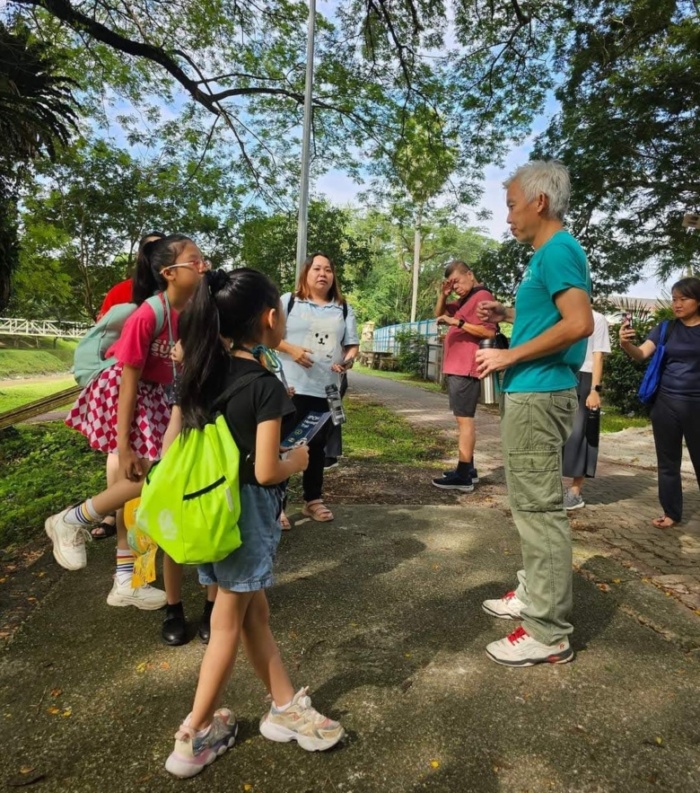
Starting by the Kinta River. Photo by Ansell Tan

Old Town Walking Route

Experiences may vary, but here is Chok’s overall route and curated spots. Malaysia’s tropical climate may bring scorching heat or drenching rain, so the walk includes indoor locations and sheltered five-foot-ways in front of shophouses for an endurable expedition.

1. Panglima Kinta Mosque 

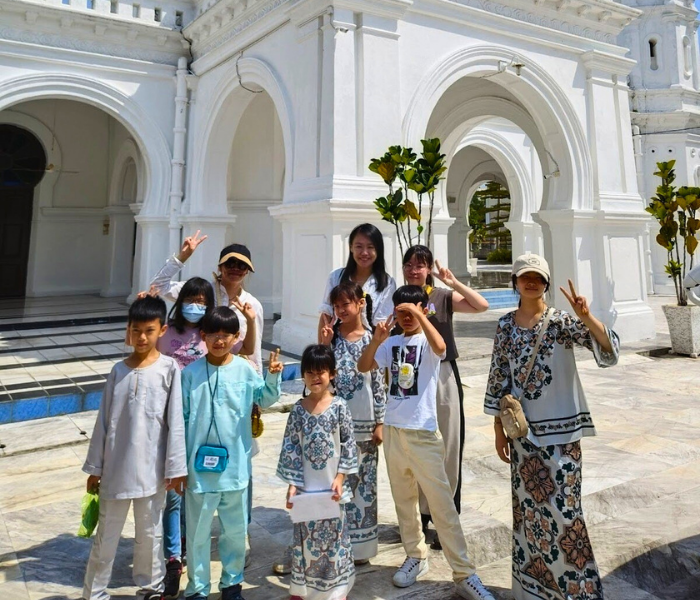
The route begins from a historic mosque built in 1898 by Dato’ Panglima Kinta (Lord of Kinta) in memory of his beloved wife Saaidah. Starting here is fitting as Ipoh sits in the centre of Kinta Valley. With Mogul and Neoclassical architectural motifs, it features a dome, two towers, and a Muslim cemetery. There is an informative gallery where friendly volunteers are eager to guide visitors. It was officially recognised as a heritage building in 2012.


Trying on Baju Kurung and Baju Melayu at the Panglima Kinta Mosque. Photo by Ansell Tan

2. Kinta River / People’s Park

Crossing a bridge, Chok introduces the Kinta River with stories of dulang washers—women who sifted the riverbeds with shallow pans (or dulang) for precious tin deposits. The Kinta River also divides Ipoh Old Town from Ipoh New Town. It may sound confusing, but Ipoh New Town was developed in the 1930s by a Hakka tin miner named Yau Tet Shin—it is not “new” at all! On the other side, we take shade under the foliage of People’s Park, once a bustling community hub in the 1980s. For decades it slipped into decline, but is now seeing a gradual revival as a new café moved in. 

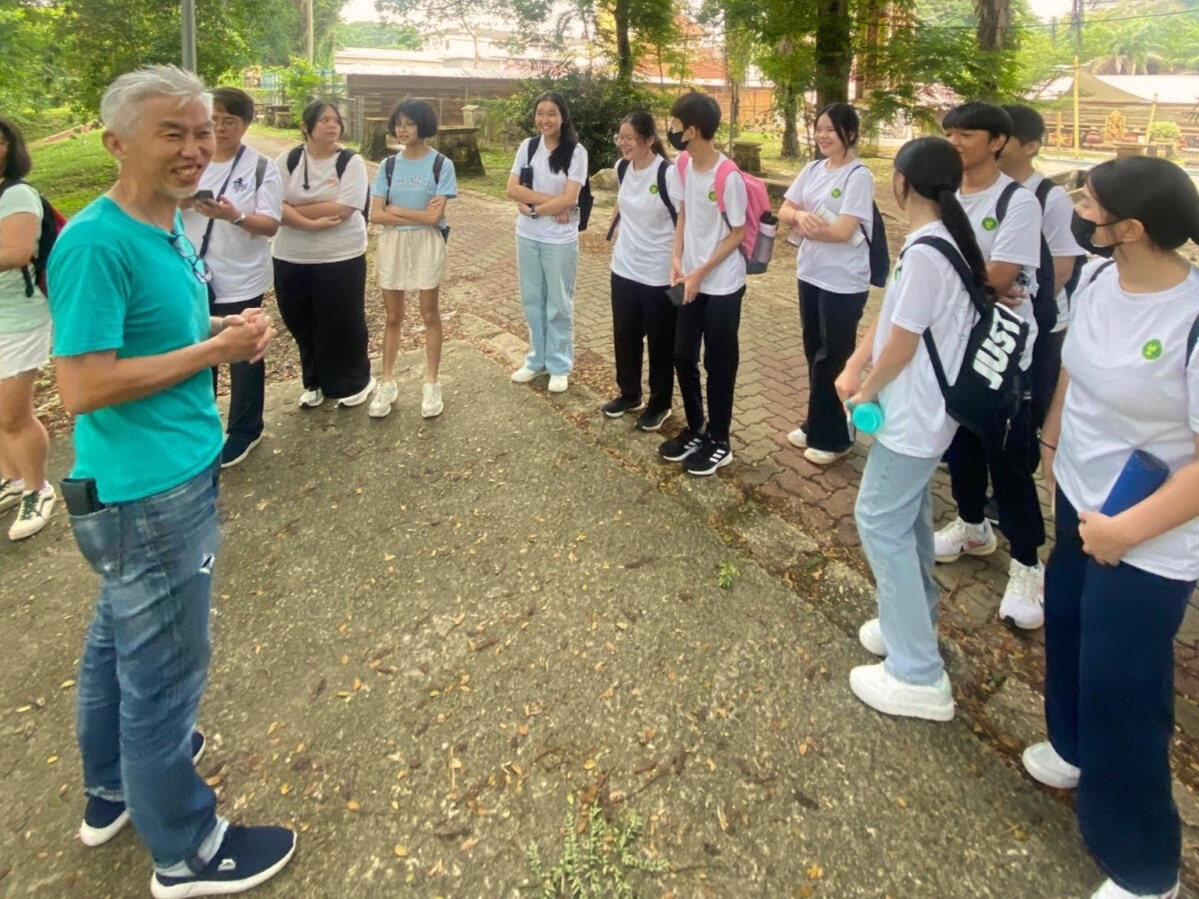
P-Lab regularly arranges tours for primary and secondary students. Photo by Ansell Tan

3. Little India 

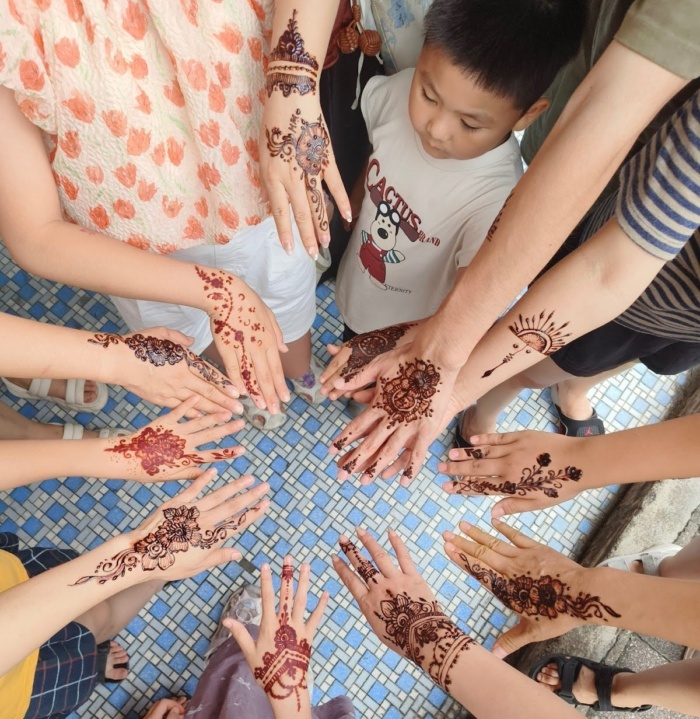
A few blocks away, we find ourselves immersed in Little India, offering a different cultural experience to all of the five senses. Aside from tasting Indian sweets, we get temporary henna tattoos, and try on traditional Indian outfits. Chok explains the symbolic blessings of mango leaves placed above doorsteps and the use of turmeric powder in everyday rituals. Different ethnic groups took up varying roles in Ipoh’s early development, and among the migrants from India, the Chettiars became financiers and informal bankers for Ipoh’s tin mining ventures.


Mehndi, or temporary henna tattoos at Little India. Photo by Ansell Tan

4. Birch Memorial Clock

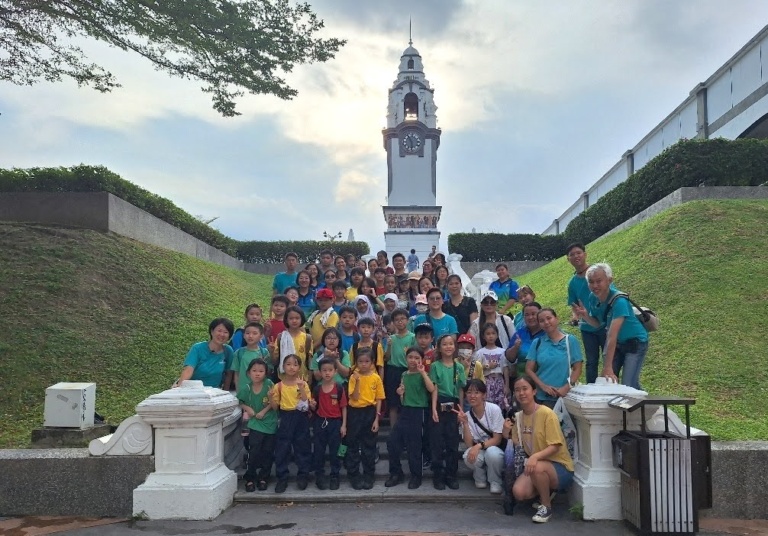
Among Ipoh’s heritage buildings, this is perhaps the most iconic. It was built in 1909 by Ernest Birch to commemorate his father, James Birch, the first British Resident of Perak. Flanking both sides were Station Road and Post Office Road, now renamed Jalan Dato Sagor and Jalan Dato Maharajalela—the alleged assassins of James Birch. The clock bell still chimes hourly.


British colonial architecture is part of Ipoh’s unique heritage. Photo by Ansell Tan.

5. Book Xcess Kong Heng

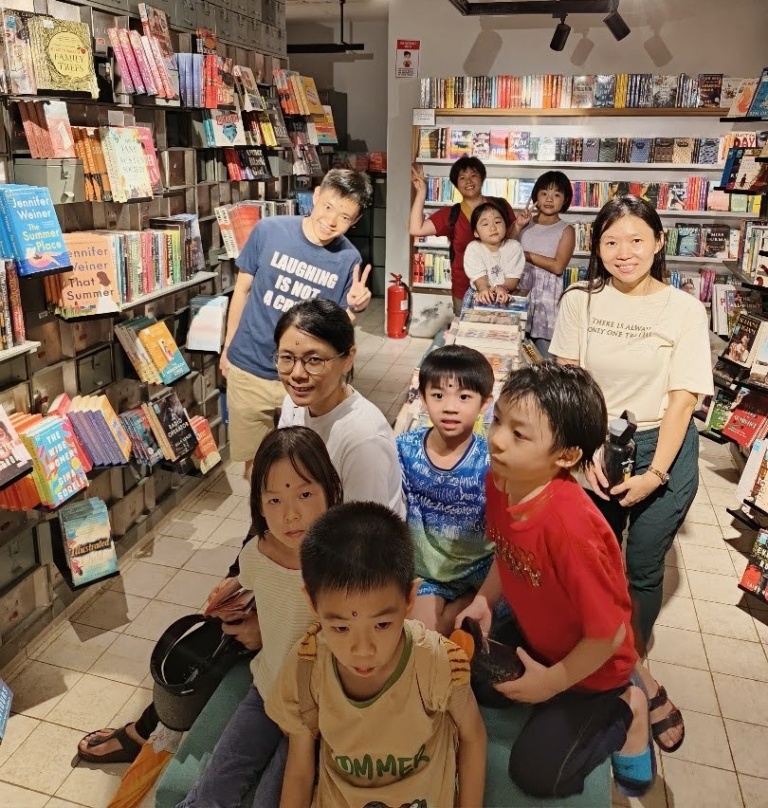
Across the road, we get a much needed air-conditioned break. Bookxcess Kong Heng is a must-visit spot in Old Town that most people miss. Formerly the United Asian Bank, it was repurposed as a bookstore while retaining its vaults and safe deposits. The basement houses a memorial space for the beloved Malaysian director Yasmin Ahmad, known for her films and festive Petronas commercials celebrating multiculturalism. Indeed, knowledge is wealth!


Old Town’s bank-vault turned bookstore. Photo by Ansell Tan.

6. Han Chin Pet Soo

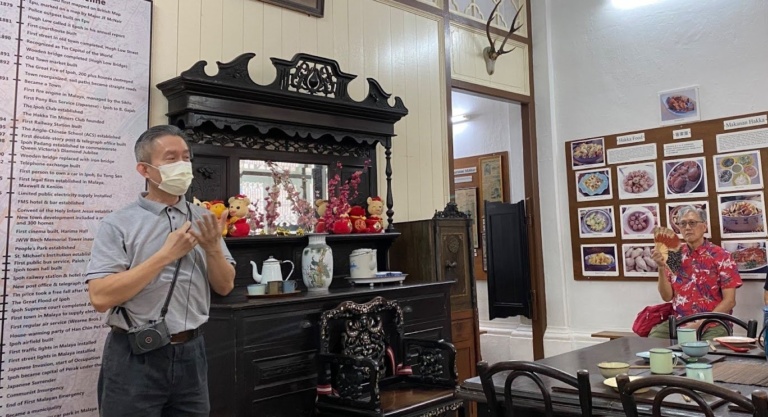
After cooling down, we strolled through Kong Heng Square Artisan Market and squeezed our way through Concubine Lane. On the other side, Chok introduces Han Chin Pet Soo Hakka Tin Miner’s Club. For first-time visitors to Ipoh, the one-hour tour here is a fantastic experience to understand why Ipoh was known as the “City of Millionaires” and “Tin Capital of the World”. My journey of learning about the region started from participating in this tour.


This popular tour has limited slots, so register online in advance.

7. Tin Alley / Hilltown Liu Bao Tea

Nearby is Tin Alley. Before the tourism boom in 2016, it was one of the earlier shophouses that made an effort at reinvention. Today, this curated arts and cultural space hosts exhibitions and acts as a hub for the Chinese heritage community. There is also a café-restaurant. Next door is a tea shop promoting Ipoh’s Liu Bao Tea, a life-saving beverage the tin mining coolies drank to expel excessive heat and dampness. Just what we needed to wrap up the tour.


Always something new popping up in Tin Alley.

Reconnecting local heritage to local people

It may come as a surprise that many Ipoh locals have never been to some of these places. Having lived in Ipoh for five years, I have come to appreciate Malaysia’s multicultural diversity, and it has become more apparent to me that these cultures harmoniously coexist side-by-side, especially after joining Chok’s walking tour. We may take it for granted, but it truly fascinates visitors how one can find Malay, Indian, Chinese, and British colonial heritage all within walking distance—amidst the tropical weather.

I now realise this is what Chok is trying to convey. In 2023, Ipoh was ranked by CNN as “Asia’s #1 Most Underrated City”, further affirming its unrealised potential. There is so much more we can do to bridge the disconnect. 

When asked what sustainable tourism means to him, Chok pauses thoughtfully before replying, “Tourism shouldn’t be destructive. When done collaboratively, it preserves the beauty of the past and helps us understand our inheritance. To grow globally, we must first learn locally. The best tourism ambassadors are the locals themselves.”


Discover more about P-Lab’s work in placemaking and tourism through their socials:

https://www.facebook.com/plab.my

https://www.instagram.com/plab.my
 

Join Us on the Journey

Enter your email to receive our newsletter and stay up to date with new projects, updates, and special events!

Join Us on the Journey

Embark on a transformative travel experience that leaves a positive footprint.
With Sustainable Tourism Malaysia, you not only explore the beauty of Malaysia but also contribute to its preservation and growth.
Together, let’s explore responsibly, travel sustainably, and leave a legacy of cherished memories and a thriving planet.

Sustainable Tourism Malaysia © 2023. All Rights Reserved.